A Complete Roadmap to Successful Commercial Construction in Auckland
Understanding the Scope of Commercial Construction Projects
Commercial construction in Auckland plays a vital role in shaping the city’s economic and business landscape. From office buildings and retail spaces to industrial facilities and hospitality venues, these projects require a higher level of planning, coordination, and compliance compared to residential developments. Each project must align with business goals while also meeting strict regulatory and safety standards.
Unlike smaller-scale builds, commercial construction involves multiple stakeholders, including investors, architects, engineers, contractors, and local authorities. This complexity demands a structured approach to ensure that every aspect of the project is executed efficiently. Understanding the full scope of commercial construction helps business owners make informed decisions and avoid costly setbacks during development.
Why Commercial Construction in Auckland Requires Strategic Planning
Auckland’s rapidly growing economy and urban expansion make it a prime location for commercial investments. However, this growth also brings challenges such as zoning regulations, environmental considerations, and infrastructure limitations. Strategic planning is essential to navigate these factors successfully and ensure that projects meet both legal requirements and business objectives.
Effective planning includes feasibility studies, site analysis, and risk assessment. These steps help identify potential obstacles early in the process, allowing for proactive solutions. Businesses that invest time in proper planning are more likely to achieve smooth project execution and long-term success. Leveraging expert guidance in Commercial Construction Auckland ensures that every stage is handled with precision and professionalism.
Key Stages of a Commercial Construction Project
Concept Development and Feasibility Analysis
The first stage of any commercial construction project involves defining the concept and evaluating its feasibility. Business owners must determine the purpose of the building, target audience, and expected return on investment. This phase also includes assessing the site’s suitability, considering factors such as location, accessibility, and surrounding infrastructure.
Feasibility analysis helps determine whether the project is financially and technically viable. It involves cost estimation, market research, and risk evaluation. A well-conducted feasibility study provides a solid foundation for the entire project and minimizes uncertainties during later stages.
Design and Architectural Planning
Design plays a crucial role in commercial construction, as it directly impacts functionality, aesthetics, and user experience. Architects and designers collaborate to create layouts that optimize space utilization while reflecting the brand identity of the business. This stage also involves selecting materials, defining structural elements, and incorporating sustainability features.
Modern commercial designs often focus on flexibility and adaptability to accommodate future changes. Incorporating energy-efficient systems and smart technologies enhances the building’s performance and reduces operational costs. A well-designed structure not only meets current needs but also supports long-term growth and scalability.
Regulatory Approvals and Compliance
Obtaining approvals and ensuring compliance with local regulations is a critical step in commercial construction. Auckland has strict building codes and zoning laws that must be followed to ensure safety and environmental sustainability. Failure to comply with these regulations can lead to delays, penalties, or even project termination.
Experienced construction professionals understand the approval process and can guide business owners through it efficiently. They ensure that all documentation is accurate and submitted on time, reducing the risk of complications. Compliance is not just a legal requirement but also a key factor in maintaining the integrity and safety of the building.
Construction and Project Execution
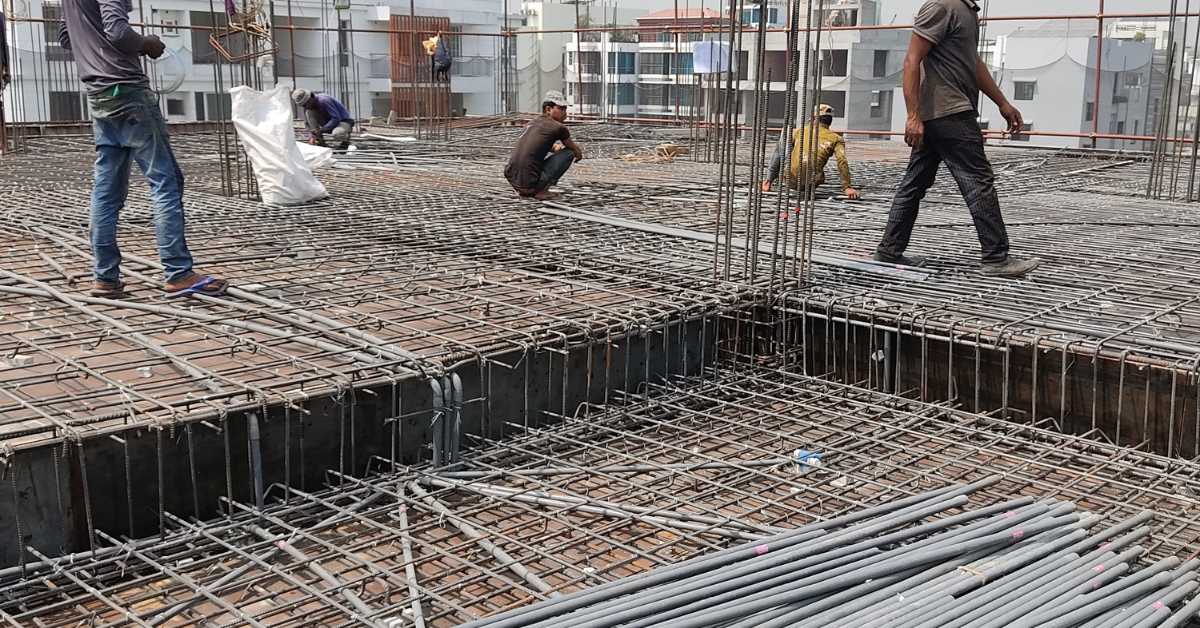
The construction phase is where the project begins to take physical form. This stage involves site preparation, foundation work, structural development, and installation of essential systems such as electrical, plumbing, and HVAC. Each step must be executed with precision to ensure the building meets quality and safety standards.
Project management is crucial during this phase, as it involves coordinating multiple teams and resources. Effective communication and monitoring help keep the project on schedule and within budget. Skilled contractors ensure that every aspect of the construction process is handled efficiently, minimizing disruptions and delays.
The Importance of Hiring Experienced Commercial Builders
Choosing the right construction team is essential for the success of any commercial project. Experienced builders bring technical expertise, industry knowledge, and problem-solving skills that are invaluable throughout the construction process. They understand the complexities of commercial projects and can provide practical solutions to challenges that may arise.
Professional builders also prioritize quality and safety, ensuring that the final structure meets all standards and expectations. Their ability to manage resources, timelines, and budgets effectively contributes to a smoother construction experience. Working with reputable professionals helps business owners achieve their goals while minimizing risks and uncertainties.
Budgeting and Financial Management in Commercial Construction
Financial planning is a critical component of commercial construction, as projects often involve significant investments. Business owners must develop a comprehensive budget that includes construction costs, permits, materials, labor, and contingency funds. Proper budgeting ensures that the project remains financially sustainable from start to finish.
Cost control measures, such as value engineering and efficient resource allocation, help optimize expenses without compromising quality. Regular financial monitoring allows for timely adjustments and prevents overspending. A well-managed budget is key to achieving a successful and profitable commercial construction project.
Incorporating Sustainability in Commercial Buildings
Sustainability has become a major focus in commercial construction, driven by environmental concerns and regulatory requirements. Businesses are increasingly adopting green building practices to reduce their carbon footprint and improve energy efficiency. This includes using eco-friendly materials, optimizing energy consumption, and implementing waste management strategies.
Sustainable buildings not only benefit the environment but also offer long-term cost savings and improved operational efficiency. Features such as solar panels, energy-efficient lighting, and water-saving systems contribute to lower utility expenses. Incorporating sustainability into commercial construction enhances the building’s value and aligns with modern business practices.
Common Challenges in Commercial Construction Projects
Commercial construction projects often face challenges such as tight deadlines, budget constraints, and regulatory complexities. External factors such as weather conditions and supply chain disruptions can also impact project timelines. Understanding these challenges helps business owners prepare and develop effective strategies to address them.
Experienced builders play a crucial role in managing these challenges by implementing proactive solutions and maintaining flexibility. Their expertise ensures that the project continues to progress despite unforeseen obstacles. Effective risk management is essential for achieving successful outcomes in commercial construction.
The Role of Technology in Commercial Construction
Technology has transformed the commercial construction industry, introducing innovative tools and methods that enhance efficiency and accuracy. From advanced design software to automated construction techniques, technology plays a significant role in modern projects. These advancements enable faster project completion and improved quality control.
Digital tools also facilitate better communication and collaboration among project stakeholders. Real-time updates and data analysis help identify potential issues early and allow for timely decision-making. Embracing technology is essential for staying competitive in the evolving construction landscape.
Future Trends in Commercial Construction Auckland
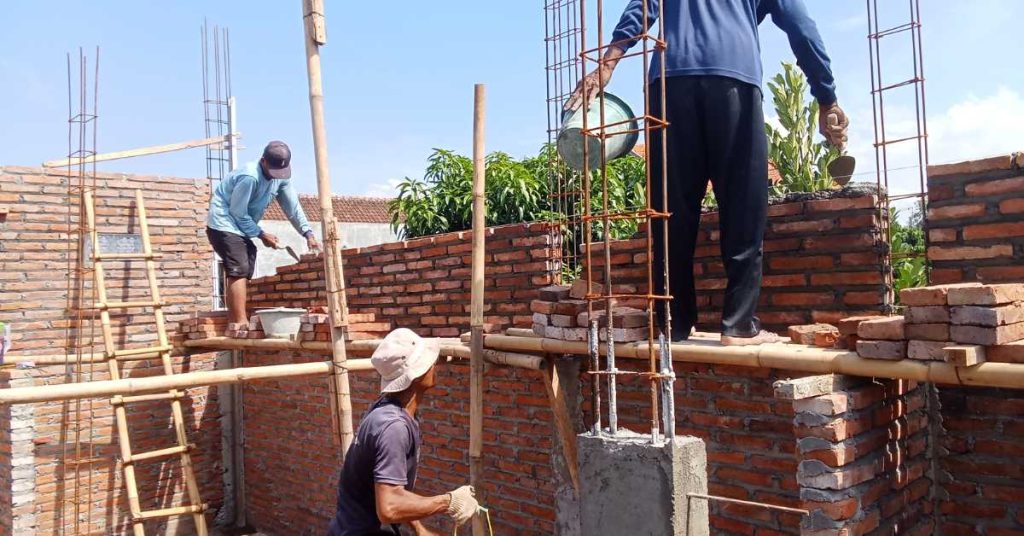
The future of commercial construction in Auckland is shaped by emerging trends such as smart buildings, modular construction, and sustainable design practices. These innovations are changing the way commercial spaces are developed and utilized, offering greater flexibility and efficiency.
According to insights from World Green Building Council, sustainable construction practices are becoming a global standard, influencing the design and development of commercial buildings. Staying informed about these trends helps businesses make strategic decisions and ensures that their projects remain relevant in a competitive market.
Final Insights for Business Owners
Commercial construction in Auckland is a complex process that requires careful planning, expert guidance, and strategic decision-making. By understanding each stage of the project and working with experienced professionals, business owners can achieve successful outcomes that align with their goals.
Investing in quality construction not only enhances business operations but also provides long-term value and sustainability. With the right approach, commercial construction becomes an opportunity to create functional, efficient, and innovative spaces that support growth and success in a dynamic business environment.